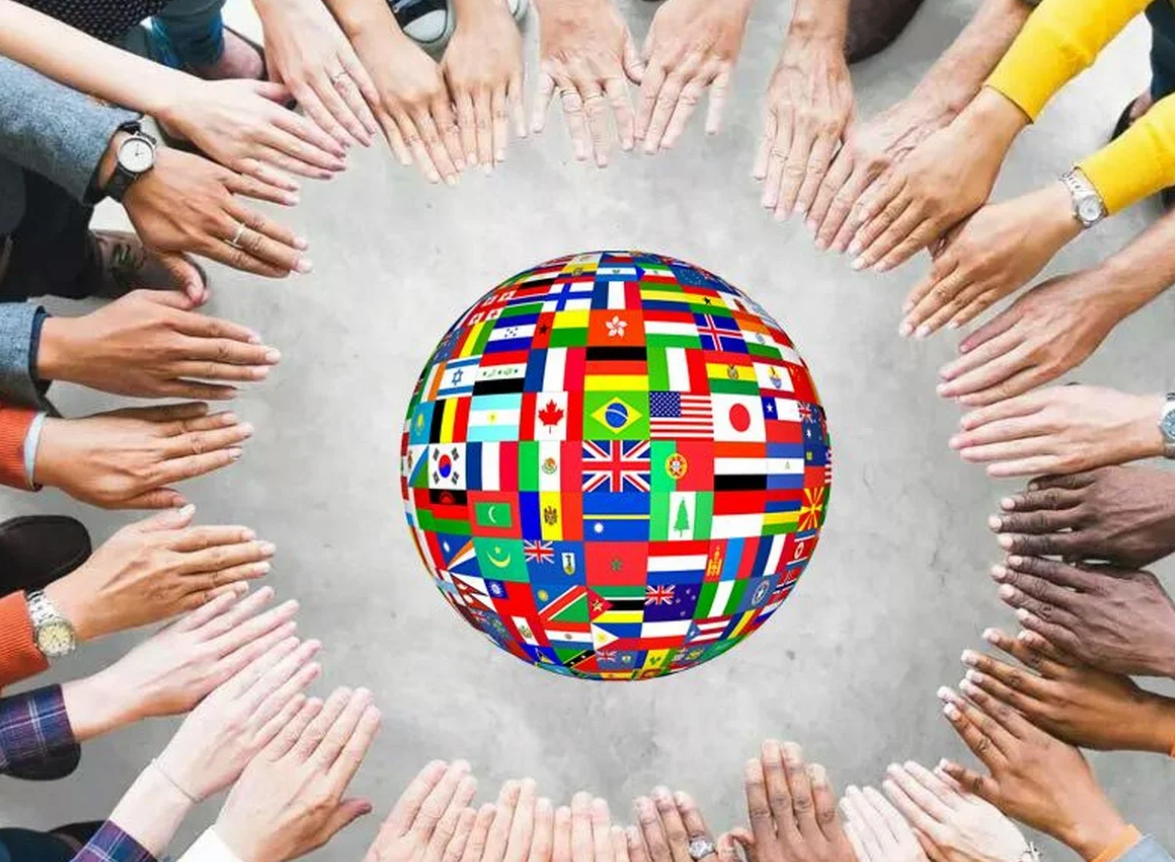
International education plays a significant role in promoting cultural exchange in an increasingly interconnected world. As students cross national borders to pursue education, they carry with them their cultural identities, traditions, and values, while simultaneously learning about those of others. This interaction creates opportunities for meaningful cultural exchange that extends beyond classrooms and academic learning. Through international education, individuals gain firsthand experience of different cultures, helping to bridge cultural gaps and foster mutual understanding among people from diverse backgrounds.
One of the most important contributions of international education to cultural exchange is the exposure it provides to cultural diversity. Students studying in a foreign country encounter new languages, customs, social norms, and ways of thinking. This exposure challenges preconceived notions and encourages individuals to question stereotypes and biases. By engaging directly with people from different cultures, students develop a more accurate and respectful understanding of cultural differences. Such experiences promote tolerance and acceptance, which are essential for peaceful coexistence in multicultural societies.
Cultural exchange through international education also enhances communication and interpersonal skills. Students learn to communicate across cultural and linguistic barriers, adapting their behavior and language to different social contexts. This process strengthens listening skills, empathy, and emotional intelligence. As students interact with peers from various cultural backgrounds, they become more aware of cultural sensitivities and social expectations. These skills are valuable not only in academic settings but also in professional and social environments where cross-cultural interaction is increasingly common.
International education encourages cultural exchange by creating environments where shared learning and collaboration take place. Universities and educational institutions often bring together students from different countries to work on group projects, research initiatives, and extracurricular activities. These shared experiences allow students to learn from one another and exchange ideas influenced by their cultural perspectives. Such collaboration enriches the learning process and promotes creativity, innovation, and critical thinking by integrating diverse viewpoints.
Another important aspect of cultural exchange in international education is the opportunity for students to share their own cultures. International students often introduce their traditions, food, festivals, and values to host communities. This exchange is not one-sided; local students and communities also gain exposure to global cultures, broadening their worldviews. Cultural events, student organizations, and international programs serve as platforms for celebrating diversity and encouraging intercultural dialogue. These interactions help create inclusive educational environments where diversity is valued and respected.
Language learning is closely connected to cultural exchange within international education. Language is a key element of culture, and learning a new language allows students to understand cultural expressions, values, and communication styles more deeply. Through immersion in a foreign language environment, students develop greater cultural awareness and appreciation. Language proficiency enables meaningful interaction and strengthens relationships between individuals from different cultural backgrounds, further enhancing the cultural exchange process.
International education and cultural exchange also contribute to personal growth and identity development. As students navigate new cultural environments, they reflect on their own cultural identities and values. This reflection helps them develop a stronger sense of self-awareness and adaptability. Experiencing cultural differences encourages flexibility and open-mindedness, allowing individuals to grow intellectually and emotionally. These personal transformations often lead to a lifelong appreciation for cultural diversity and global engagement.
From a global perspective, cultural exchange through international education strengthens international relations and cooperation. Educational exchanges build connections between countries by fostering understanding and goodwill among future leaders, professionals, and policymakers. Students who participate in international education often become cultural ambassadors, promoting positive relationships between their home and host countries. These connections contribute to long-term diplomatic, economic, and social cooperation, highlighting the broader impact of cultural exchange beyond individual experiences.
Despite its many benefits, cultural exchange in international education can also present challenges. Cultural misunderstandings, language barriers, and adjustment difficulties may arise, particularly during the initial stages of adaptation. However, these challenges often serve as learning opportunities that deepen cultural understanding and resilience. With proper support from educational institutions, such as orientation programs and intercultural training, students can successfully navigate these challenges and benefit fully from cultural exchange experiences.
In conclusion, international education serves as a powerful platform for cultural exchange in a globalized world. By bringing together individuals from diverse cultural backgrounds, it promotes mutual understanding, respect, and cooperation. Cultural exchange through international education enriches academic learning, supports personal development, and strengthens global relationships. As societies become increasingly interconnected, the role of international education in fostering cultural exchange will remain essential for building a more inclusive, peaceful, and globally aware world.


