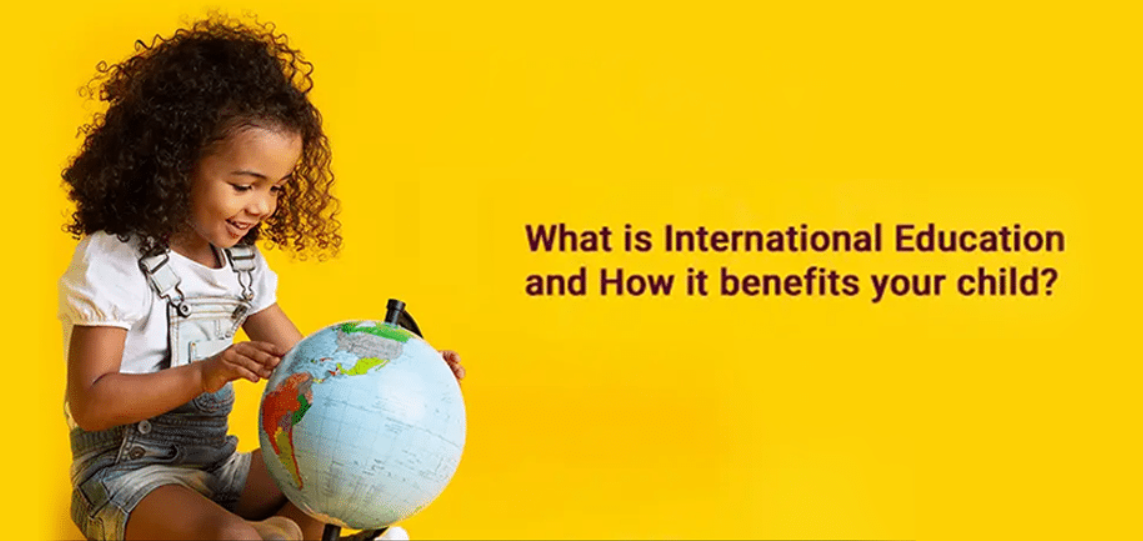
In the modern world, international education has become increasingly important due to rapid globalization and growing interdependence among nations. International education refers to learning experiences that involve crossing national boundaries, whether through studying abroad, international exchange programs, global curricula, or collaboration between institutions from different countries. As societies become more connected economically, culturally, and technologically, international education plays a crucial role in preparing individuals to function effectively in a global environment.
One of the primary reasons international education is important is its role in promoting global understanding and cultural awareness. Students who participate in international education are exposed to different cultures, traditions, values, and belief systems. This exposure helps them develop respect for diversity and reduces prejudice and stereotypes. By interacting with people from various cultural backgrounds, students learn empathy and tolerance, which are essential qualities for peaceful coexistence in a multicultural world. International education encourages individuals to see global issues from multiple perspectives rather than from a single national viewpoint.
International education also contributes significantly to academic development and intellectual growth. Many international institutions offer high-quality education, advanced research facilities, and innovative teaching methodologies. Students are often challenged to think critically, analyze global problems, and engage in independent learning. Exposure to different education systems broadens academic horizons and enhances creativity and problem-solving skills. As a result, students develop a deeper understanding of their chosen fields and gain knowledge that is globally relevant.
Another important aspect of international education is its contribution to personal growth and self-development. Living and studying in a foreign country requires students to adapt to new environments, cultures, and lifestyles. This experience builds independence, resilience, and self-confidence. Students learn to manage daily challenges such as communication barriers, cultural differences, and unfamiliar academic systems. These experiences help shape mature individuals who are capable of handling uncertainty and change, which are valuable skills in both personal and professional life.
International education plays a vital role in improving career prospects and employability. In today’s competitive global job market, employers increasingly seek individuals with international exposure and cross-cultural competence. International education equips students with communication skills, adaptability, and a global mindset that are highly valued by multinational organizations. Graduates with international experience are often better prepared to work in diverse teams, understand international markets, and contribute effectively to global business operations. This makes international education a strong foundation for long-term career success.
Language development is another key benefit of international education. Studying in an international environment provides students with opportunities to learn new languages or improve their proficiency in foreign languages. Language skills enhance communication and strengthen cultural understanding. Being multilingual not only increases academic and professional opportunities but also enables individuals to connect more deeply with people from different backgrounds. Language learning through international education helps break communication barriers and fosters global cooperation.
International education also supports the development of global citizenship. It encourages individuals to recognize their responsibilities beyond national borders and to contribute positively to the global community. Students learn about global challenges such as climate change, poverty, inequality, and public health. By understanding these issues from an international perspective, they become more motivated to participate in solutions that benefit humanity as a whole. International education fosters ethical awareness and social responsibility, which are essential for sustainable global development.
From a broader perspective, international education strengthens international relations and cooperation between countries. Educational exchanges promote mutual understanding and trust among nations. When students study abroad and return to their home countries, they bring back knowledge, skills, and cultural insights that contribute to national development. International academic partnerships also encourage knowledge sharing, research collaboration, and innovation. These interactions help build strong diplomatic and economic ties between countries.
Furthermore, international education contributes to economic growth and national development. Educated individuals with global exposure often play a key role in advancing innovation, entrepreneurship, and productivity. International education helps create a skilled workforce capable of competing in the global economy. Many countries benefit from international graduates who contribute to research, technology, and industry. At the same time, returning graduates often apply their international knowledge to improve systems and practices in their home countries.
Despite its many benefits, international education also presents challenges such as financial costs, cultural adjustment, and access inequalities. However, these challenges do not outweigh its importance. Governments, institutions, and organizations can address these issues by providing scholarships, support services, and inclusive policies. By making international education more accessible, societies can ensure that more individuals benefit from its transformative potential.
In conclusion, international education is of great importance in today’s interconnected world. It promotes cultural understanding, academic excellence, personal growth, and global cooperation. By developing globally competent individuals, international education helps build a more tolerant, innovative, and sustainable world. As global challenges continue to grow in complexity, the importance of international education will only increase, making it a vital investment for individuals, nations, and the global community.


